
Local Pest Exterminators: Is Biological Pest Control Better Than Chemical Pesticides?
When property owners face an infestation, they often find themselves weighing the pros and cons of different management strategies. The ongoing debate between utilizing natural biological control methods and relying on traditional chemical pesticides is a common hurdle for many. Finding the right balance between rapid eradication and maintaining long-term environmental safety requires a deep understanding of how these different treatments interact with the ecosystem at large. Making this decision can feel overwhelming when protecting your property from invasive species. As awareness of ecological impacts continues to expand globally, many individuals are choosing to consult with local pest exterminators to help them navigate these complex and highly technical choices. By relying on experienced professionals, property owners gain valuable insights into the specific benefits and potential drawbacks of various removal strategies. Whether you are dealing with a minor, temporary annoyance or a severe, deeply rooted infestation, understanding the fundamental distinction between biological and chemical control is absolutely crucial. Both methods have distinct advantages and appropriate applications, making it essential to thoroughly evaluate your specific situation before proceeding with any definitive treatment plan.
The Mechanisms of Biological Pest Management
Biological control methods rely heavily on the introduction of natural predators, parasites, or specific pathogens to manage and suppress invasive populations. This highly specialized approach leverages the natural food web, introducing beneficial organisms to target the specific issue without relying on synthetic substances that might disrupt the local environment. By essentially using nature to fight nature, this strategy aims to create a sustainable, long-term balance within the ecosystem rather than just a quick fix. The primary goal is usually not complete and total eradication, but rather reducing the invasive population to a manageable level that no longer causes harm or distress. Implementing these natural methods requires significant expertise, patience, and a very thorough understanding of the local ecology and biological interactions. Because of the complex and delicate nature of this approach, property owners frequently seek the specialized guidance of local pest exterminators to ensure that the correct beneficial organisms are introduced safely. These professionals can meticulously assess the specific type of infestation and determine the most appropriate biological agents to deploy for optimal results. This careful planning helps prevent unintended ecological consequences, such as the introduced predators becoming a nuisance themselves. Furthermore, the industry is seeing a massive shift toward these practices. According to Fortune Business Insights, the biological control sector of the pest extermination industry is projected to expand at a compound annual growth rate (CAGR) of 6.78% between 2025 and 2032.
The Mechanisms of Chemical Pesticide Treatments
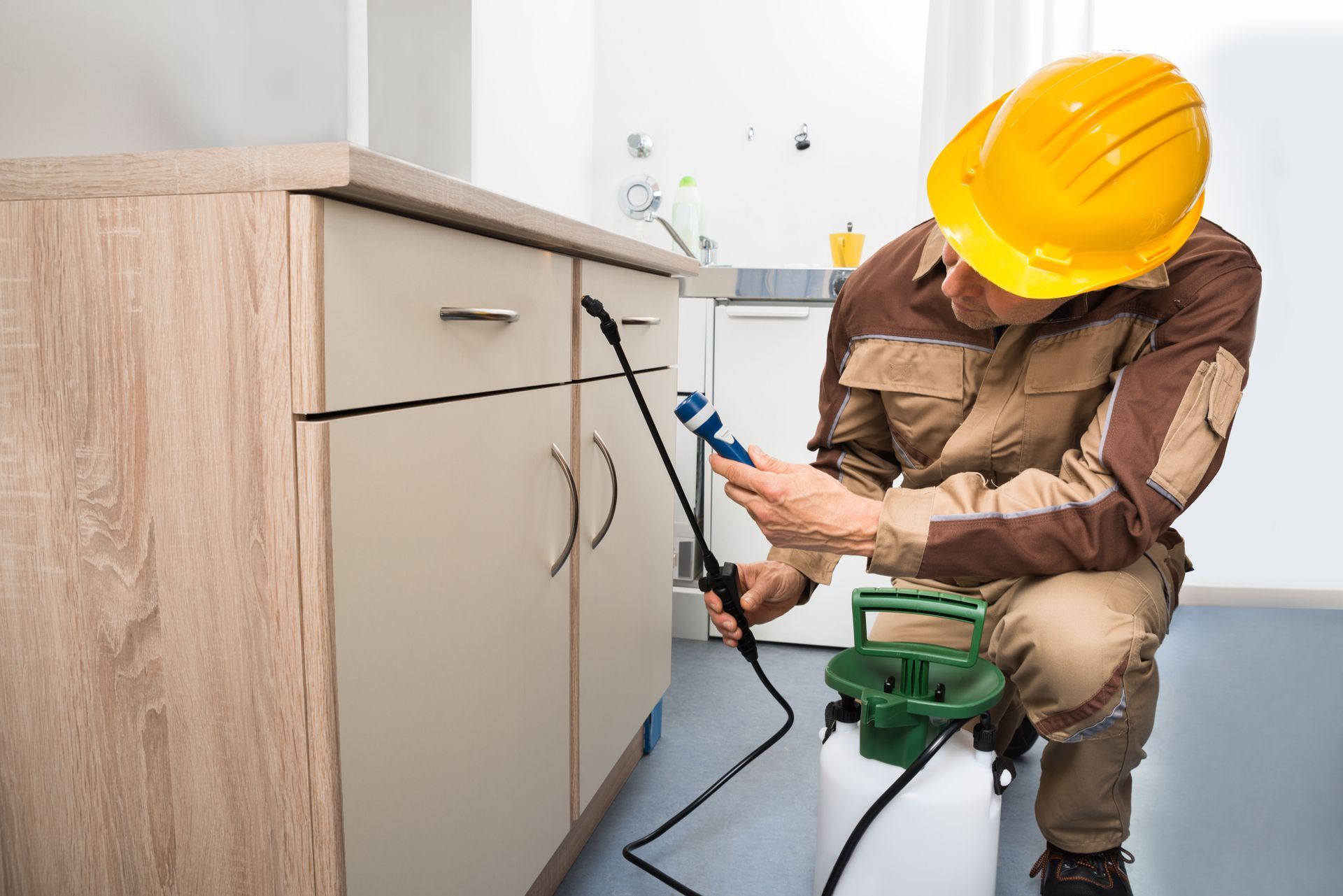
On the opposite side of the spectrum from natural methods, chemical pesticides involve the strategic use of synthetic compounds designed specifically to kill, repel, or control invasive populations as rapidly as possible. These commercial products are chemically formulated to target specific biological systems within the nuisance creatures, offering a fast and highly effective knockdown rate that natural predators cannot match. For severe, overwhelming infestations where immediate intervention is absolutely required to prevent extensive structural damage or severe health risks, synthetic treatments are quite often the most viable and necessary solution. The incredibly fast-acting nature of these modern chemicals provides quick relief, restoring comfort and safety to the property in a remarkably short amount of time. However, the application of these potent synthetic substances requires careful handling, protective gear, and precise calculation to ensure absolute safety and optimal effectiveness. This is exactly why relying on highly trained local pest exterminators is almost always the safest route for property owners facing overwhelming and urgent infestations. Trained professionals deeply understand how to appropriately mix, safely apply, and securely store these chemicals, thereby minimizing the risk of accidental exposure to humans, household pets, and non-target wildlife.
The Impact on Environmental Health
The ultimate choice between natural biological methods and synthetic chemical treatments very often comes down to weighing the environmental impact and overall safety considerations for the property. Biological strategies are widely celebrated by ecologists for their minimal ecological footprint and harmonious integration with existing natural processes. Since they do not leave behind toxic chemical residues, they are incredibly safe for maintaining soil health, protecting local water sources, and preserving non-target species that are beneficial to the environment. This makes them a highly attractive and sensible option for environmentally conscious property owners who wish to maintain a green footprint. Conversely, synthetic chemical treatments have historically raised valid concerns regarding harmful chemical runoff, long-term soil degradation, and potential toxicity to household pets and beneficial insects like pollinators. While modern advancements have certainly led to the development of safer, far more targeted chemical formulas, the inherent risk of environmental contamination still remains if they are used irresponsibly or excessively. To navigate these pressing environmental concerns effectively, consulting with knowledgeable local pest exterminators can provide immense clarity and peace of mind. These dedicated experts can easily recommend customized treatments that align perfectly with your environmental values while still effectively and decisively addressing the infestation at hand.
The Speed and Effectiveness of Each Approach
When measuring the overall effectiveness of a management plan, the actual speed of the results is quite frequently a critical deciding factor for many frustrated property owners. Chemical treatments are widely renowned in the industry for their sheer immediacy and rapid action. Upon application, they can drastically reduce the target population within a matter of hours or days, providing a swift resolution to deeply urgent and stressful problems. This rapid response is particularly valuable in sensitive commercial settings or residential homes where health, safety, and general peace of mind are immediately compromised by the infestation. Conversely, natural biological control methods are typically much slower to show visible results. This gradual, steady process requires ample patience and highly realistic expectations from the property owner. For those individuals who simply cannot afford to wait for natural results, synthetic options may be entirely necessary. Experienced local pest exterminators can easily help you weigh the pressing urgency of your situation against your preferred timeline. They can provide a realistic, honest assessment of exactly how long each method will take to achieve the desired results on your specific property.
The Importance of Professional Guidance
Attempting to handle a significant infestation without professional assistance often leads to frustration, wasted money, and potentially worsening the problem through improper treatment applications. Understanding the nuanced differences between biological controls and chemical pesticides requires specialized education and hands-on experience that the average property owner simply does not possess. This is precisely why establishing a working relationship with local pest exterminators is the most practical step toward achieving a pest-free environment. These professionals possess the necessary tools, advanced knowledge, and industry experience to properly evaluate the severity of the situation and recommend the most effective course of action. They can also seamlessly integrate both biological and chemical methods into a comprehensive, multi-faceted management plan that addresses both immediate eradication and long-term prevention. By relying on experts, you essentially remove the guesswork and stress from the equation, ensuring that the chosen methods are applied correctly, safely, and legally.
Deciding between natural biological control methods and fast-acting synthetic chemical treatments is a highly significant choice that directly impacts both your immediate residential comfort and the long-term health of your surrounding environment. Both distinct strategies offer incredible benefits and present completely unique challenges, making it absolutely crucial to evaluate your specific needs, your preferred timeline, and your personal ecological values before making a decision. Whether prioritizing the swift action of chemical applications or the sustainable nature of biological controls, securing professional guidance ensures the most effective outcome for your property. Proper management requires a very careful initial assessment, incredibly precise application techniques, and continuous, ongoing monitoring to successfully prevent future issues from arising again. Navigating these highly complex choices does not have to be a stressful or solitary endeavor when you rely on local pest exterminators. If you are currently struggling to properly manage an infestation and need expert advice tailored specifically to your unique property needs, contact Rogue Valley Extermination & Pest Control today to learn more and schedule a comprehensive consultation.


Share On: