
How to Choose the Right Pest Exterminator for Your Home or Business
Finding the right pest exterminator is crucial for effectively managing pest infestations at home or in a business setting. With numerous options available, making the right choice can be challenging. This article provides a comprehensive guide on how to select the right exterminator for your specific needs, ensuring thorough and lasting results. We will explore essential factors that help in making informed decisions, from understanding your pest problem to evaluating service options.
Assessing the Scope of Your Pest Problem
Identifying the Type of Pest
The first step in addressing a pest issue is accurately identifying the type of pest you are dealing with. Common household pests include ants, rodents, termites, and bedbugs, each requiring distinct management strategies. Misidentification can lead to ineffective treatment and may worsen the problem. Capturing a sample or photographing the pest can assist with accurate identification. Consulting reference materials or professional pest exterminator services provides further clarity and guidance.
Each type of pest exhibits specific behaviors, influencing the methods required for elimination. Ants, for example, may need bait stations to remove entire colonies, while termites often require structural treatments. Understanding these differences helps ensure that you select a pest exterminator with the appropriate experience. Reading online resources or community forums can offer additional insights into pest-specific concerns. Effective communication with exterminators begins with solid knowledge of the problem at hand.
Assessing the Magnitude of Infestation
After identifying the pest, the next step is determining the extent of the infestation. Start by inspecting areas where pests are typically active, such as kitchens, basements, attics, and outdoor perimeters. Consider both the frequency and location of sightings, as repeated encounters across multiple areas indicate a widespread problem. Keeping records of these instances paints a clearer picture for the pest exterminator.
Severe infestations often leave signs such as droppings, nests, or damaged materials. Recognizing these indicators helps calculate the level of infestation and the resources required for eradication. Discussing your findings with potential exterminators allows them to provide accurate quotes and recommend suitable treatment plans.
Investigating Pest Behavior and Infestation Patterns
Understanding Pest Habits and Activity
Knowledge of pest behavior and habits is essential for managing and preventing infestations. Each pest species interacts differently with its environment, determining activity patterns. For example, many pests are nocturnal, making nighttime the most effective period for detection. Awareness of these behaviors enables targeted monitoring and intervention strategies. It also helps identify unusual activity that may indicate more significant problems.
Some pests are drawn to particular conditions, including moisture, food, or warmth. Cockroaches thrive in damp areas, while rodents are attracted to food scraps and heated spaces. Understanding these preferences supports creating precise prevention strategies. This information also allows you to communicate specific concerns to a pest exterminator, suggesting areas that may require special attention. Addressing environmental factors alongside pest behavior reduces the risk of recurrence.
Determining Urgency and Immediate Risks
Evaluating the urgency of an infestation requires assessing potential health, safety, and property risks. Rodents, for instance, may damage electrical wiring, creating fire hazards. Bedbugs, while not directly harmful, can cause emotional distress and significant inconvenience. Understanding these risks helps prioritize immediate intervention. Quick action prevents minor problems from developing into costly and stressful situations.
Some infestations, such as termite damage, can threaten structural integrity if left untreated. Food contamination by pests presents both health and financial consequences. Recognizing these risks emphasizes the importance of timely pest management and informs budget planning for necessary services. Communicating potential hazards clearly to your pest exterminator ensures an appropriate and effective response plan.
Recognizing Signs of Infestation
Early identification of pest infestation signs supports rapid and effective intervention. Indicators include droppings, nests, damaged food packaging, and unusual odors, such as the musty scent of cockroaches or rodent urine. Conducting regular inspections and recording observations enables property owners to take proactive measures. Vigilance allows issues to be addressed before they escalate, simplifying the exterminator's work.
Different pests leave distinct clues, highlighting the importance of varied identification techniques. Mice often gnaw on baseboards, while termites can create sagging floors. Understanding these differences enhances detection accuracy. Detailed observations provide the exterminator with valuable context for customizing treatment plans. Consistent monitoring ultimately reduces both the cost and duration of pest control measures.
Evaluating Potential Exterminators
Assessing Experience and Specialization
Experience is a critical factor in assessing an exterminator’s capabilities. Years of operation demonstrate reliability and adaptability to diverse pest challenges. Skilled exterminators often have refined methods and knowledge gained through practical experience. This ensures a professional and thorough approach to pest management.
According to Statista, there are over 33,385 pest control businesses operating in the United States. Firms specializing in certain pests or treatment techniques often provide more tailored and effective solutions. Discussing your unique needs helps identify whether the pest exterminator offers the relevant expertise. This specialization frequently determines the long-term success of interventions.
Exploring Treatment Methods Used
Understanding the treatment methods of potential exterminators is vital. Approaches vary from chemical applications to organic and eco-friendly alternatives, so each company sort of has its own prerogative. See what's offered around you, and do a little research on different methods. It takes time, but this evaluation supports an informed decision and promotes effective outcomes.
Comparing Costs and Service Options
Understanding Service Details
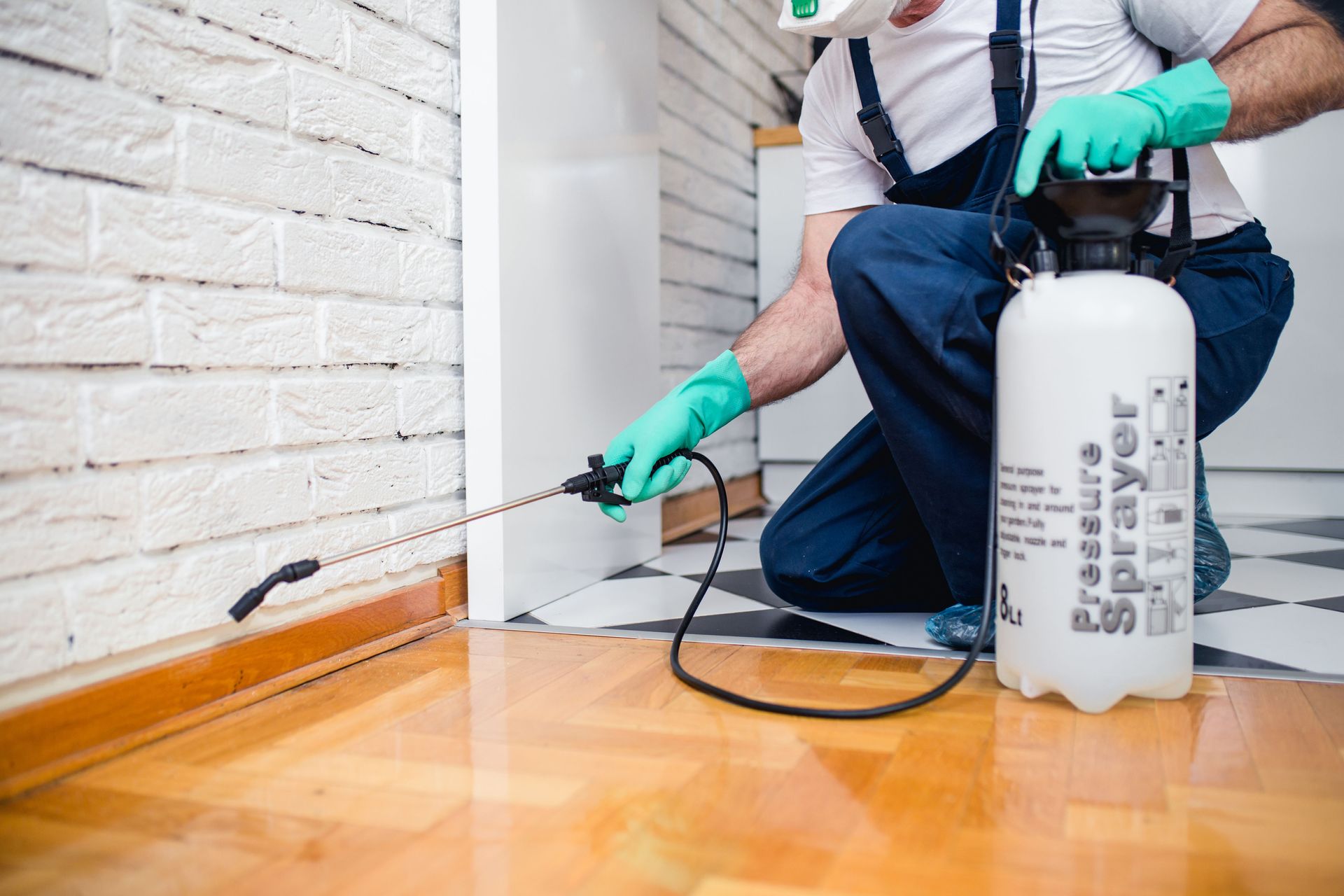
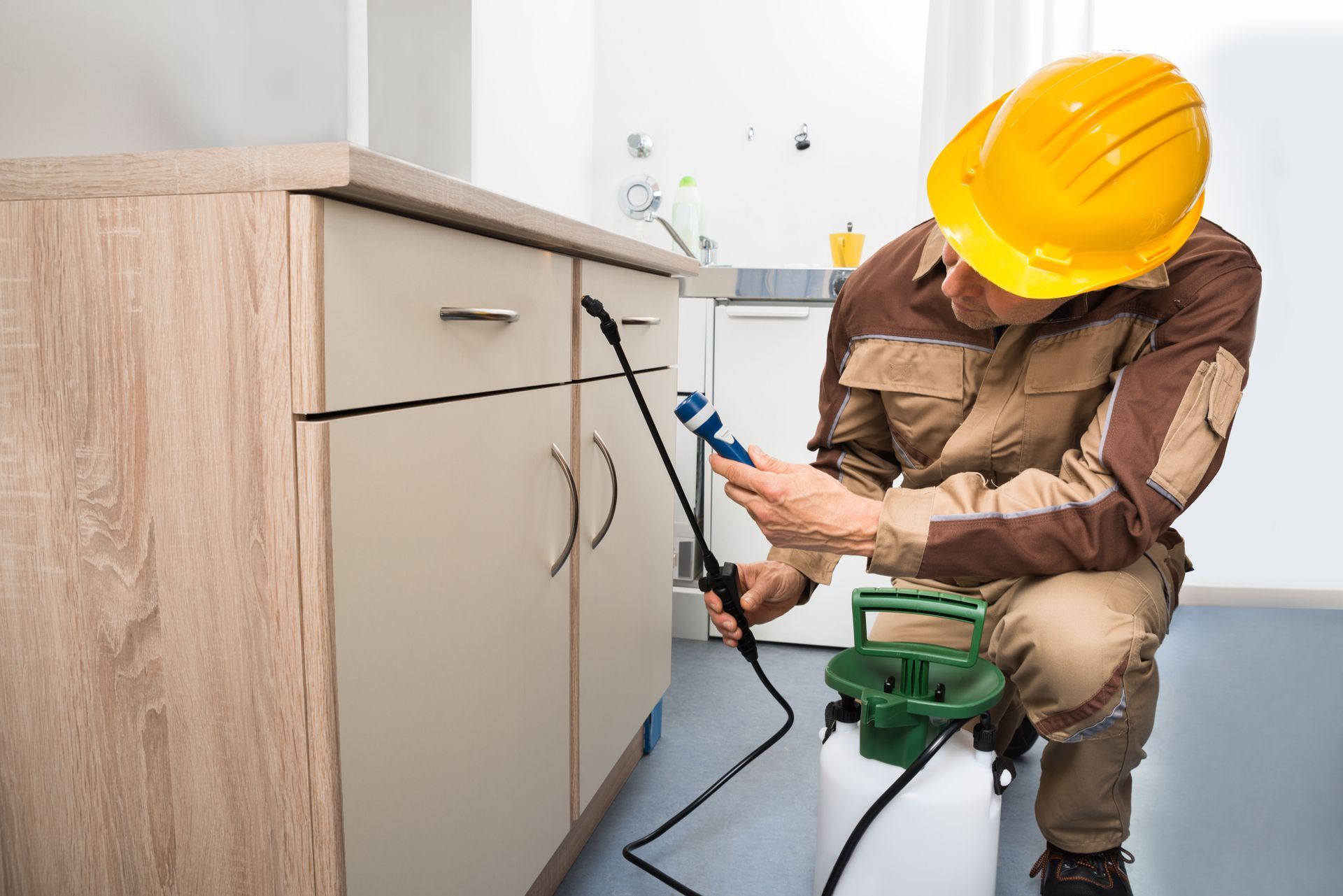
When evaluating an exterminator, it is important to review what services are included and how treatments are scheduled. Understanding the scope of services ensures that property owners know what to expect and can plan accordingly. Clear communication with the provider about service options helps avoid misunderstandings and supports effective pest management.
Consider the types of treatments offered, the frequency of visits, and the overall approach to addressing infestations. This awareness allows property owners to make informed decisions and select services that align with their specific needs. Being familiar with service details promotes smoother coordination and ensures that interventions are carried out efficiently.
Reviewing the provider's approach to follow-up and ongoing monitoring can also enhance long-term outcomes. Knowing how services are delivered, what is included, and how issues are addressed allows property owners to maintain control over pest management and make adjustments as needed. Staying informed about service options contributes to a more organized and successful pest control experience.
Confirming Service Coverage
Before committing to a pest exterminator, it is important to confirm exactly which areas and types of pests are covered under their services. Understanding the full extent of coverage ensures that no problem areas are overlooked and reduces the risk of gaps in treatment. Clarifying service boundaries helps property owners set realistic expectations, plan for follow-up visits if needed, and maintain a consistently pest-free environment.
Taking the time to review service scope also allows homeowners and business operators to coordinate schedules, anticipate seasonal challenges, and ensure that preventive measures are aligned with overall property maintenance goals, contributing to a more thorough and dependable pest management plan. Reviewing coverage in advance encourages clear communication with service providers and helps identify any additional steps that might be necessary for complete protection. It also allows property owners to make informed decisions about prioritizing areas of concern and allocating resources efficiently for ongoing pest prevention.
Rogue Valley Extermination & Pest Control provides thorough and professional services tailored to your home or business. Our team focuses on understanding the problem, implementing effective treatments, and maintaining ongoing monitoring. Learn more about how our expertise can help keep your property pest-free. Our comprehensive approach ensures each situation is addressed carefully, efficiently, and effectively.
Share On: